Diagnostic lower limb angiography
X-ray imaging of leg arteries by contrast injection to visualize narrowing or occlusions.
The information below is provided for general educational purposes only. It describes the procedure in general terms and may not apply to your specific situation. Only your interventional radiologist can provide you with personalized information adapted to your case.
What does this intervention involve?
Background and indications
Angiography is performed to evaluate leg artery condition in peripheral arterial disease (PAD), before or during endovascular treatment.
Benefits
Precise arterial lesion mapping for optimal treatment planning.
Procedure
Under local anesthesia, a catheter is introduced via the femoral or radial artery. Contrast is injected and real-time X-ray images are acquired. Duration: 30 minutes to 1 hour.
Risks
Puncture site hematoma, contrast allergy, kidney injury (at-risk patients), distal embolism.
Recovery and follow-up
Same-day or next-day discharge with puncture site monitoring.
Practical information
Local anesthesia. Outpatient procedure (return home the same day).
This information does not replace a medical consultation. Each procedure is adapted to the patient's individual situation. Your doctor will explain the specific details, expected benefits and potential risks during your consultation.
Doctors and centers/departments performing this intervention
10 doctors

CHU CHARLEROI
CHU (Centre Hospitalier Universitaire)Charleroi
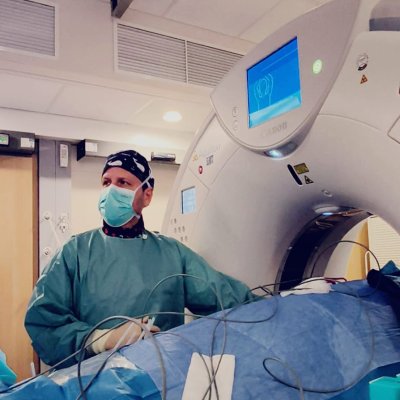
CHU Helora Site Jolimont
CHU (Centre Hospitalier Universitaire)La Louvière

Dr Frederic COHEN
Radiologue interventionnelAubagne, Marseille

EMBOLILLE
Clinique privéeLesquin, Lille
Hôpital Européen Marseille
Clinique privéeMarseille

Dr Thibaud LEFORT
Radiologue interventionnelLyon
Dr Lucas MOSCATELLI
Radiologue interventionnelSaint-Paul

Dr Matthieu PAPILLARD
Radiologue interventionnelGenève
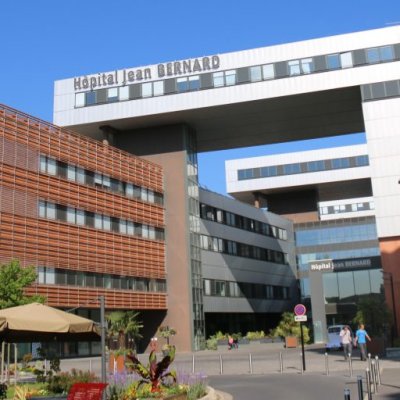
Service de radiologie interventionnelle - Hôpital de Valenciennes
Centre hospitalierValenciennes

Dr Nicolas VILLARD
Radiologue interventionnelLausanne