Shoulder embolization (capsulitis / frozen shoulder)
Shoulder artery embolization to treat pain and inflammation from adhesive capsulitis resistant to conventional treatments.
The information below is provided for general educational purposes only. It describes the procedure in general terms and may not apply to your specific situation. Only your interventional radiologist can provide you with personalized information adapted to your case.
What does this intervention involve?
Background and indications
Adhesive capsulitis (frozen shoulder) is inflammation and contracture of the shoulder joint capsule causing significant pain and stiffness. Embolization is offered after failure of standard treatments (physiotherapy, injections).
Benefits
Pain reduction and mobility improvement, minimally invasive outpatient treatment.
Procedure
Similar to knee embolization, a catheter is guided to shoulder arteries where abnormal neovascularization is identified and embolized with small particles. The procedure lasts 1-2 hours.
Risks
Transient pain, hematoma, skin injury (very rare).
Recovery and follow-up
Same-day discharge. Resume physiotherapy promptly. Clinical evaluation at 1 and 3 months.
Practical information
Local anesthesia. Outpatient procedure (return home the same day).
This information does not replace a medical consultation. Each procedure is adapted to the patient's individual situation. Your doctor will explain the specific details, expected benefits and potential risks during your consultation.
Doctors and centers/departments performing this intervention
9 doctors

CHU CHARLEROI
CHU (Centre Hospitalier Universitaire)Charleroi

Dr Frederic COHEN
Radiologue interventionnelAubagne, Marseille
Dr Vincent DUROUS
Radiologue interventionnelAnnecy, Argonay, Épagny
Dr Cédric FOUSSIER
Radiologue interventionnelParis

Dr Thibaud LEFORT
Radiologue interventionnelLyon

Dr Alexandre NÉROT
Radiologue interventionnelAnnecy, Argonay, Chambéry
Dr Matthieu PAPILLARD
Radiologue interventionnelGenève
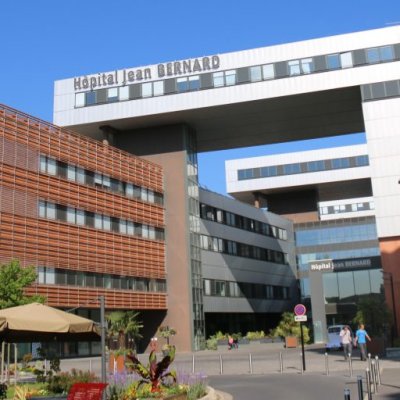
Service de radiologie interventionnelle - Hôpital de Valenciennes
Centre hospitalierValenciennes

Dr Nicolas VILLARD
Radiologue interventionnelLausanne