Arterioportal fistula embolization
Endovascular closure of an abnormal communication between a hepatic artery and the portal vein.
The information below is provided for general educational purposes only. It describes the procedure in general terms and may not apply to your specific situation. Only your interventional radiologist can provide you with personalized information adapted to your case.
What does this intervention involve?
Background and indications
An arterioportal fistula is an abnormal communication between the arterial and portal systems of the liver, which may occur after trauma, liver biopsy, or in association with a tumor. It can worsen portal hypertension.
Benefits
Minimally invasive fistula closure allowing portal flow normalization and portal hypertension symptom reduction.
Procedure
Under local anesthesia, a catheter is introduced via the femoral artery and guided to the hepatic artery feeding the fistula. Coils or glue are used to close the communication. The procedure lasts 1-2 hours.
Risks
Hepatic ischemia, embolization material migration, portal thrombosis.
Recovery and follow-up
One-night hospitalization. Follow-up Doppler at 1 month.
Practical information
Local anesthesia. Outpatient procedure (return home the same day).
This information does not replace a medical consultation. Each procedure is adapted to the patient's individual situation. Your doctor will explain the specific details, expected benefits and potential risks during your consultation.
Doctors and centers/departments performing this intervention
19 doctors
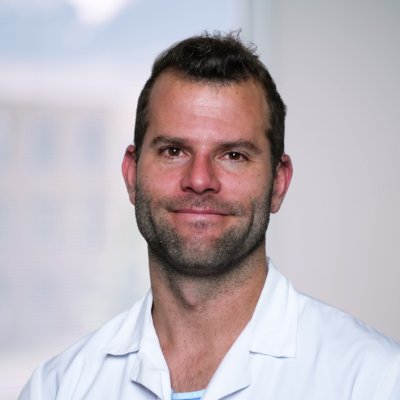
Dr Ignacio ANDRES CANO
Radiologue interventionnelRennaz

Centre Hospitalier de Saint-Quentin
Centre hospitalierSaint-Quentin

CHU CHARLEROI
CHU (Centre Hospitalier Universitaire)Charleroi
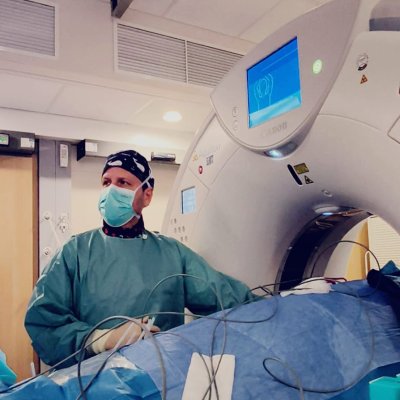
CHU Helora Site Jolimont
CHU (Centre Hospitalier Universitaire)La Louvière
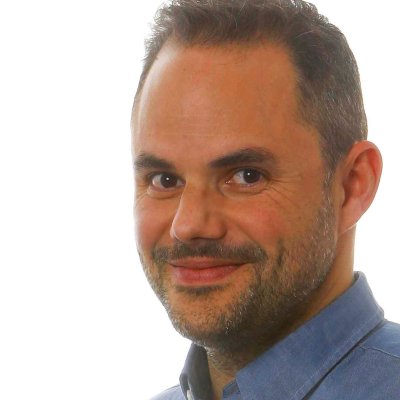
Dr Frederic COHEN
Radiologue interventionnelAubagne, Marseille

Dr Alexia DABADIE
Radiologue interventionnelDr Arthur DAVID
Radiologue interventionnelNantes
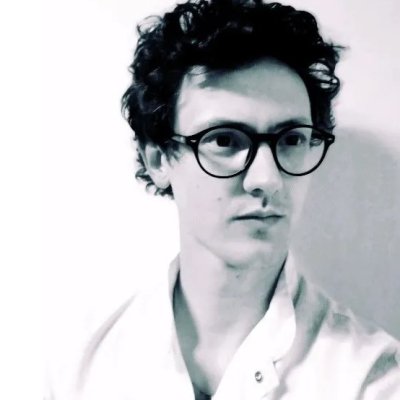
Dr Vincent DUROUS
Radiologue interventionnelAnnecy, Argonay, Épagny
Dr Cédric FOUSSIER
Radiologue interventionnelParis
Hôpital Européen Marseille
Clinique privéeMarseille

Dr Quentin LAFERTÉ
Radiologue interventionnelSaint-Quentin

Dr Thibaud LEFORT
Radiologue interventionnelLyon