Hemorrhoid embolization (emborrhoid)
Superior rectal artery embolization to treat recurrent hemorrhoidal bleeding.
The information below is provided for general educational purposes only. It describes the procedure in general terms and may not apply to your specific situation. Only your interventional radiologist can provide you with personalized information adapted to your case.
What does this intervention involve?
Background and indications
Symptomatic hemorrhoids (recurrent bleeding) not responding to medical treatment may benefit from superior rectal artery embolization, as an alternative to instrumental treatments (rubber band ligation) or surgery.
Benefits
Minimally invasive outpatient treatment, no direct anal intervention, significant bleeding reduction, rapid and painless recovery.
Procedure
Under local anesthesia, a catheter is introduced via the radial or femoral artery and guided to the superior rectal artery. Microcoils are placed to reduce arterial flow to hemorrhoidal plexuses. The procedure lasts approximately 1 hour.
Risks
Transient rectal pain, puncture site hematoma, symptom recurrence. Serious complications are exceptional.
Recovery and follow-up
Same-day discharge. Follow-up at 1 and 3 months.
Practical information
Local anesthesia. Outpatient procedure (return home the same day).
This information does not replace a medical consultation. Each procedure is adapted to the patient's individual situation. Your doctor will explain the specific details, expected benefits and potential risks during your consultation.
Doctors and centers/departments performing this intervention
19 doctors
Dr Lucas MOSCATELLI
Radiologue interventionnelSaint-Paul

Dr Alexandre NÉROT
Radiologue interventionnelAnnecy, Argonay, Chambéry

Dr Matthieu PAPILLARD
Radiologue interventionnelGenève

RIVA - Hôpital Privé Océane Vannes
Clinique privéeVannes

Service de radiologie interventionnelle - CHU de NANTES
CHU (Centre Hospitalier Universitaire)Nantes
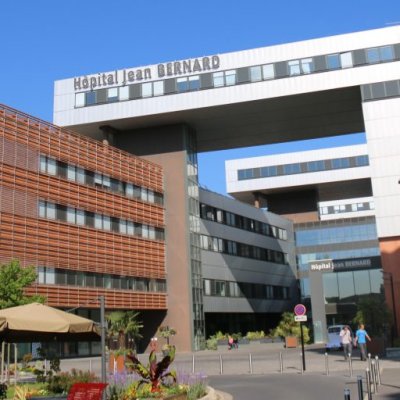
Service de radiologie interventionnelle - Hôpital de Valenciennes
Centre hospitalierValenciennes

Dr Nicolas VILLARD
Radiologue interventionnelLausanne