Temporary arterial balloon occlusion (REBOA)
Placement of an inflatable intra-aortic balloon to temporarily occlude the aorta and control massive subdiaphragmatic bleeding.
The information below is provided for general educational purposes only. It describes the procedure in general terms and may not apply to your specific situation. Only your interventional radiologist can provide you with personalized information adapted to your case.
What does this intervention involve?
Background and indications
REBOA is used in hemorrhagic shock to temporarily control massive abdominal or pelvic bleeding while awaiting definitive treatment (surgery or embolization).
Benefits
Stabilizes the patient within minutes by temporarily stopping blood flow to the bleeding area.
Procedure
A balloon catheter is introduced via the femoral artery and positioned in the aorta. The balloon is inflated to block blood flow to the hemorrhagic zone. This occlusion is temporary (30-60 minutes maximum) and serves as a bridge to definitive treatment.
Risks
Downstream organ ischemia (kidneys, bowel, lower limbs), aortic injury. Occlusion duration must be minimized.
Recovery and follow-up
Intensive care management, definitive bleeding treatment as soon as possible.
Practical information
Local anesthesia. Outpatient procedure (return home the same day).
This information does not replace a medical consultation. Each procedure is adapted to the patient's individual situation. Your doctor will explain the specific details, expected benefits and potential risks during your consultation.
Doctors and centers/departments performing this intervention
2 doctors
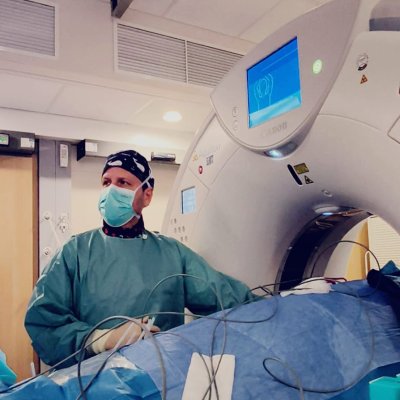
CHU Helora Site Jolimont
CHU (Centre Hospitalier Universitaire)La Louvière

Dr Matthieu PAPILLARD
Radiologue interventionnelGenève