Hepatic radioembolization (SIRT)
Injection of radioactive microspheres (yttrium-90) into the hepatic arteries to deliver targeted radiation to liver tumors.
The information below is provided for general educational purposes only. It describes the procedure in general terms and may not apply to your specific situation. Only your interventional radiologist can provide you with personalized information adapted to your case.
What does this intervention involve?
Background and indications
Radioembolization is offered for liver tumors (hepatocellular carcinoma, metastases, cholangiocarcinoma) when other treatments are not suitable. It can also serve as a bridge before transplantation or surgery.
Benefits
This treatment delivers a high radiation dose directly to the tumor with limited effect on surrounding healthy liver. It is generally well tolerated with few side effects.
Procedure
Treatment occurs in two stages. During the first session (work-up), an angiogram maps the hepatic vessels and a test product is injected to simulate treatment. If results are favorable, radioactive microspheres are injected during a second session 1-2 weeks later. Each session lasts approximately 1-2 hours.
Risks
Side effects are generally mild: fatigue, mild abdominal pain. Rarer complications include digestive ulcers (if microspheres migrate to the stomach), liver damage or radiation pneumonitis.
Recovery and follow-up
Each session requires one overnight stay. A CT or MRI is performed 3 months after treatment to assess tumor response.
Practical information
Local anesthesia. Hospital stay: one night.
This information does not replace a medical consultation. Each procedure is adapted to the patient's individual situation. Your doctor will explain the specific details, expected benefits and potential risks during your consultation.
Doctors and centers/departments performing this intervention
8 doctors

CHU CHARLEROI
CHU (Centre Hospitalier Universitaire)Charleroi
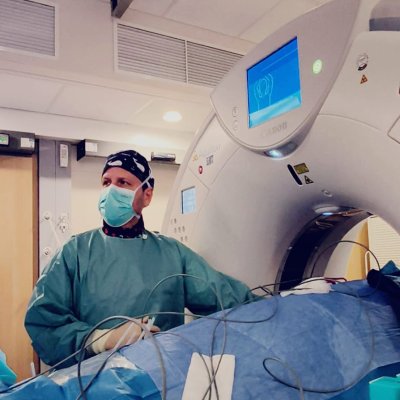
CHU Helora Site Jolimont
CHU (Centre Hospitalier Universitaire)La Louvière
Dr Arthur DAVID
Radiologue interventionnelNantes

Dr Quentin LAFERTÉ
Radiologue interventionnelSaint-Quentin
Dr Matthieu PAPILLARD
Radiologue interventionnelGenève

Service de radiologie interventionnelle - CHU de NANTES
CHU (Centre Hospitalier Universitaire)Nantes
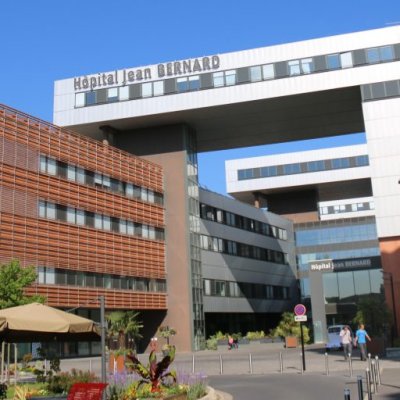
Service de radiologie interventionnelle - Hôpital de Valenciennes
Centre hospitalierValenciennes
Dr Nicolas VILLARD
Radiologue interventionnelLausanne